

Table of Contents
1. Why Compostable Packaging Matters in the Food Industry
2. Compostable Containers for Takeaway Food
3. Plant-Based Compostable Coffee Cups and Lids
4. Compostable Bags and Wraps for Groceries
5. Compostable Cutlery and Plates for Restaurants
6. Compostable Films and Pouches for Snacks

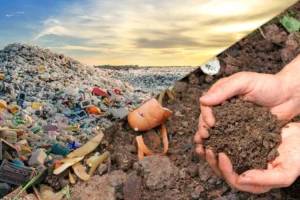
Plastic has been the go-to choice in the food industry for many years, but its negative impact on the environment is now very clear. From overflowing landfills to polluted oceans, single-use plastic has become a big part of the problem when it comes to managing biodegradable waste. As more people become aware of these issues, businesses and consumers are seeking better alternatives. This is where compostable packaging comes in as a more sustainable option. Unlike regular plastic, compostable food packaging breaks down naturally without leaving harmful leftovers, making it a big change for industries that care about the environment.
Today, options like bagasse packaging, compostable bags, and other eco-friendly packaging are being used more and more by restaurants, cafes, and homes. This blog looks at the different types of compostable food packaging, the advantages they offer, and how they help reduce the impact of biodegradable waste.
Why Compostable Packaging Matters in the Food Industry
Plastic containers and wrappers might seem handy, but they create a lot of waste that doesn’t break down easily. By using compostable packaging, businesses help reduce the amount of waste going into landfills and support a circular economy where used materials can go back into the earth safely. Also, eco-friendly packaging fits with what customers are looking for, as many people now prefer sustainable options over single-use plastics.
Compostable Containers for Takeaway Food
Takeaway culture is growing fast, but it often leads to more plastic pollution. Using compostable containers made from sugarcane fibers, cornstarch, or recycled paper is a great alternative. These containers are strong, don’t leak, and can break down naturally. For restaurants and food delivery services, moving to compostable packaging helps cut down on plastic use and also attracts customers who care about the environment.
Plant-Based Compostable Coffee Cups and Lids
Every day, millions of coffee cups end up in the trash, and many of them have a layer of plastic that stops them from breaking down. But now, there’s a better option: plant-based compostable coffee cups and lids. These cups use natural materials like cornstarch and bagasse, which come from renewable resources. They work the same way as regular cups and look the same, but when you throw them away correctly, they turn into compost instead of staying in landfills forever.
Compostable Bags and Wraps for Groceries
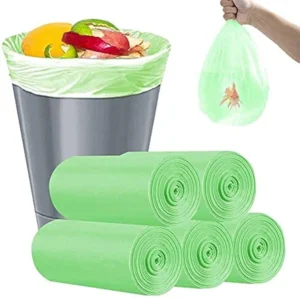
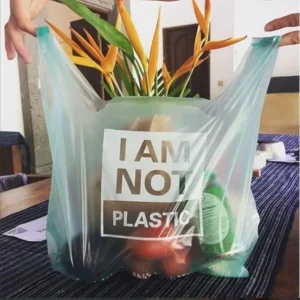
Single-use plastic bags are still a major problem in the plastic waste issue. Compostable carry bags and wraps are great choices for carrying groceries, fresh fruits and vegetables, and baked goods. These bags are made from materials like cornstarch and other natural substances. They are strong enough to hold your shopping with ease. At the same time, they are safe to decompose without harming the environment. Many companies, including compostable bag and packaging providers like SAKRT, now offer these eco-friendly options for both stores and homes.
Compostable Cutlery and Plates for Restaurants
Events, weddings, and restaurants usually use disposable tableware, which often ends up as biodegradable waste that can take years to break down if it’s made of plastic. By switching to compostable tableware—like plates, bowls, and cutlery made from bamboo, palm leaves, or bagasse—dining businesses can cut down on their use of plastic. These options are not only better for the environment but also look good and are strong enough for use in both casual and high-end dining settings.
Compostable Films and Pouches for Snacks
These pouches keep food fresh, are light, and most importantly, they naturally break down after you throw them away. Businesses that want to be seen as green can use them to show their commitment.
Materials Used in Compostable Food Packaging
- Bagasse Packaging – Bagasse is made from leftover sugarcane, and it’s a great material because it’s light, strong, and can break down naturally in the environment.
- Cornstarch Packaging – Made from plants that can be grown again, it disappears on its own without causing any damage to the environment.
- Bamboo and Palm Leaf – Naturally compostable, stylish, and durable, making them ideal for cutlery and tableware.
Mushroom-Based Packaging – An innovative material grown from mycelium, suitable for specialty food packaging.
The Future of Compostable Food Packaging
The need for sustainable packaging is increasing quickly. Many governments are stopping the use of single-use plastics, and more businesses are switching to eco-friendly packaging to keep up. New materials for compostable food packaging are being developed, and big companies are using them on a large scale. This shows that the food industry is moving toward a future with less plastic.
Conclusion
Switching from harmful plastics to compostable packaging isn’t just a passing trend—it’s something we really need. Whether it’s compostable carry bags or compostable dishes, every small change in how we use packaging helps reduce the amount of biodegradable waste that harms our environment. Both businesses and homes can have a big impact by opting for sustainable packaging like bagasse containers, compostable boxes, and eco-friendly coverings.