

Table of Contents

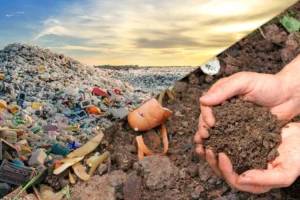
In a world filled with plastic waste, biodegradable cups are becoming quiet champions in the fight for a greener future. Every year, about 300 million tons of plastic is made, and only 9% of it gets recycled. The rest ends up in our oceans, hurting animals and worsening the climate crisis. But now, a big change is happening—one cup at a time. Cafes, restaurants, and even large event planners are choosing biodegradable cups, plates, and other compostable tableware as a way to care for the environment.
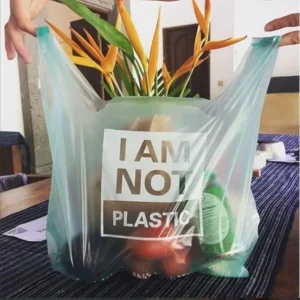
This shift is more than just about being easy to use; it’s about building a cleaner, healthier planet. Websites like sakrt.in are helping drive this movement by providing a variety of compostable bags, clamshell containers, and tableware, making it easier for both people and businesses to take part in the global effort to protect the Earth.
How Choosing Compostable Cups Can Reduce Plastic Pollution
Choosing between plastic and biodegradable cups isn’t just about looks—it affects the planet’s future. Regular plastic cups can take up to 500 years to break down, and during that time, they release harmful microplastics into the soil and water. In contrast, compostable and biodegradable paper cups can naturally break down within 90 to 180 days if composted properly.
Research shows that replacing just 25% of plastic disposables with compostable options could cut total plastic waste by almost 15 million tons each year. When people choose compostable cups, whether for drinking tea or coffee, they help reduce the burden on landfills and lower carbon emissions. These small choices, when made by many, create a big positive effect on the environment—showing that sustainability begins with thoughtful habits.
Sites like sakrt.in simplify this decision, providing eco-friendly options for all situations—like cafes serving hot drinks in paper cups or event planners needing biodegradable cups and plates for big events.
Why Compostable Round Cups Are Better Than Plastic Cups
When you look at compostable round cups compared to plastic ones, the differences show up both for the environment and in cost. Plastic cups are cheap to make, but they have hidden costs like harming the environment, making waste management more expensive, and causing long-term pollution. On the other hand, biodegradable cups are made from materials like cornstarch, sugarcane bagasse, and bamboo fiber. These materials break down naturally and return to the earth as part of a natural cycle. Also, it takes almost 30% less energy to make biodegradable paper cups than plastic ones. Even though paper cups might cost a little more at first, the benefits over time are bigger than the initial cost. Companies that switch to compostable cups often improve their image, draw in customers who care about the environment, and cut down on waste management bills. It’s not just buying a cup—it’s investing in the planet’s future.
Global Movement Toward Compostable Packaging and Cups
The increase in biodegradable cups is not just happening in one place—it’s happening all around the world. Countries are starting to ban single-use plastics and support compostable options instead. Recent environmental reports show that the market for biodegradable packaging is growing quickly, expected to rise by more than 20% each year and reach almost $30 billion by 2030. Big companies, eco-friendly brands, and even small businesses are using compostable bags, clam shells, and other sustainable packaging to meet their environmental goals. Europe has strict rules on plastic waste, while India is working toward a “Plastic Free 2025” plan. Governments everywhere are pushing both consumers and producers to switch to greener packaging options. Websites like sakrt.in are helping this change by providing certified biodegradable paper cups and other compostable products. These items allow businesses to meet global environmental standards without giving up on quality or design.
What Happens to Compostable Cups After Use
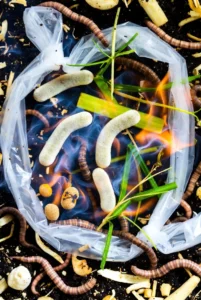
Once you’re done with your drink, biodegradable cups make a big difference in how things are handled. Unlike plastic cups that can take hundreds of years to break down, compostable cups start decomposing right away when they’re in a composting environment that has heat, water, and microbes. Within a few months, these cups turn into things like carbon dioxide, water, and organic material, which actually improve the soil.
This process doesn’t leave any harmful leftovers, making it a complete, waste-free cycle. Even cups made from natural materials like tea leaves go through this same environmentally friendly change. If collected and processed correctly, compostable tableware can create rich compost that helps plants grow better and cuts down on the need for chemical fertilizers. This is how every cup you use can help restore the Earth’s natural balance—showing that being sustainable can start with something simple, like your morning coffee.
How Compostable Cups Break Down in Compost
The science of composting biodegradable cups is fascinating. These cups are often made from PLA (polylactic acid) or bagasse—materials derived from renewable plants. In a well-managed composting setup, tiny organisms feed on the cup’s natural components and convert them into humus. This dark, nutrient-rich material forms the most fertile part of soil. Temperature plays a key role in this process. When it stays around 60°C (140°F), the breakdown happens much faster. Under these conditions, a biodegradable paper cup can fully decompose within two to three months. That’s incredibly fast compared to regular plastic cups, which may take up to 500 years to break down. This natural decomposition not only reduces landfill waste but also supports the circular economy. It encourages using resources again and again, instead of discarding them after one use.
Contact Us
Join the sustainability revolution today!
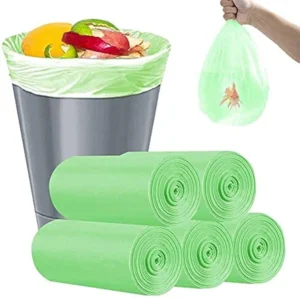
Choose SAKRT’s biodegradable garbage bags for your home, business, or event and make waste disposal environmentally responsible.
Conclusion
The push for sustainability is growing stronger all around the world, and biodegradable cups are leading the way in this change. They help cut down on plastic waste and support new, environmentally friendly ideas, showing a shared effort to make our planet cleaner and healthier. Deciding to use biodegradable paper cups, compostable cups, or disposable tea cups isn’t just about using a different material it’s about changing how we think and act.Every small choice that is kind to the environment makes a big difference, creating a positive impact that spreads far and wide. At sakrt.in, our goal is simple: to offer sustainable options that encourage both people and companies to take part in this movement. By working together, we can help protect our planet, one cup at a time.
FAQs
A compostable cup is a type of eco-friendly disposable cup made from biodegradable materials such as cornstarch (PLA), sugarcane (bagasse), bamboo, or paper lined with plant-based coatings.
choice is a compostable cup made from renewable, plant-based, biodegradable materials (such as bagasse, PLA, or plant-lined paper), as long as it is disposed of in a proper composting facility.
Compostable cups typically take 90 to 180 days (3 to 6 months) to fully decompose under the right composting conditions
Yes, most compostable cups are able to hold both hot and cold drinks because they have strong, water-resistant layers made from plant-based resins.
No — not all coffee cups are compostable.
Most coffee cups you get from cafés or takeout counters look like paper, but they actually have a plastic lining (usually polyethylene) inside to make them waterproof.