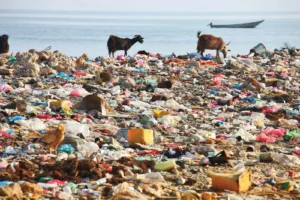


Amid the vibrant markets of India, from the bustling bazaars of Kolkata to the organized retail shelves in Bangalore, packaging plays a pivotal role in daily commerce and household routines. As plastic waste clogs rivers and overwhelms landfills, a quiet revolution is underway with compostable bags emerging as a viable path forward.
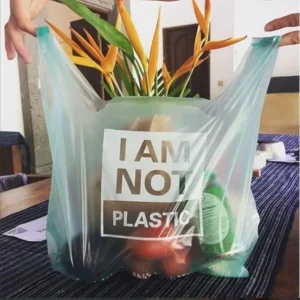
SAKRT, is a leading distributor of certified compostable solutions, is at the forefront, offering an array of bags, from photo-printed shopping bags to bio compostable garbage bags, that blend functionality with environmental responsibility. These plant-based innovations are reshaping how retailers, households, and industries handle packaging, paving the way for a more sustainable India.
This blog uncovers the momentum behind compostable bags, their transformative benefits, and how they are positioning themselves as the cornerstone of tomorrow’s packaging landscape.
Market Growth and Emerging Trends
India’s packaging sector is witnessing unprecedented shifts, driven by heightened environmental consciousness and regulatory pressures. The compostable bags market in India is expanding rapidly, fueled by consumer preferences for greener options and government mandates to curb plastic pollution.
Projections indicate the broader biodegradable packaging market in India will grow at a Compound Annual Growth Rate (CAGR) of 15.06% from 2023 to 2028, with compostable variants playing a starring role.
Globally, the compostable plastic packaging industry is set to rise from USD 2.1 billion in 2025 to USD 3.41 billion by 2034, at a CAGR of 5.50%, with India as one of the fastest-growing markets in Asia-Pacific.
This growth reflects a broader trend where sustainable packaging alternatives to plastic bags are gaining traction, particularly in retail and e-commerce.
In 2025, the compostable bags market growth in India is bolstered by declining raw material costs, such as Poly Butylene Adipate Terephthalate (PBAT), making these products more accessible. Major retailers like Reliance have integrated compostable bags into their operations, while quick-commerce platforms such as Swiggy Instamart have adopted them for deliveries.
This adoption signals a maturing market, where compostable bags are no longer niche but essential for businesses aiming to meet eco-friendly demands. The sector’s expansion is also tied to innovations in compostable plastic bags material, like plant-derived polymers that mimic plastic’s strength while ensuring full decomposition.
Shaping a Compliant Future
India’s regulatory framework is a key architect of this rise, with policies designed to phase out single-use plastics and elevate compostable options. The Plastic Waste Management (Amendment) Rules, 2025, mandate that carry bags made from compostable plastics conform to IS 17088:2008 standards, requiring certification from the Central Pollution Control Board (CPCB) before marketing or selling.
From July 1, 2025, producers and importers must include details like barcodes or QR codes on packaging to track compliance, alongside printing the manufacturer’s name, registration number, and thickness.
These compostable bags industry regulations build on earlier amendments, such as the 2021 rules that banned single-use plastic carry bags thinner than 120 microns and promoted biodegradable alternatives.
The Ministry of Environment, Forest and Climate Change (MoEFCC) and CPCB are tightening manufacturing standards to prevent low-quality fillers that could contaminate compost, while encouraging decentralized composting systems.
For businesses, this means SAKRT’s certified products, complete with CPCB validation, offer a seamless way to comply, avoiding fines and aligning with national initiatives like Swachh Bharat.
Such regulations not only enforce accountability but also stimulate innovation, pushing manufacturers to develop bags that meet rigorous compostability tests. In states where plastic bans are strictly enforced, compostable bags have become a staple for grocery and garment packaging, demonstrating how policy drives market evolution.
Biodegradable Bags and Their Lasting Impact
The appeal of compostable bags lies in their profound biodegradable bags environmental benefits, addressing India’s plastic waste crisis head-on. With over 9.46 million tonnes of plastic generated annually, traditional bags contribute to soil and water contamination, including microplastics that infiltrate food chains.
Compostable bags, derived from materials like cornstarch and sugarcane bagasse, decompose in industrial composting facilities within 90–180 days, turning into nutrient-rich humus without leaving residues.
How do compostable bags reduce environmental plastic waste effectively? They eliminate the persistence of plastics, preventing an estimated 1.9 mg of microplastics per kilogram of soil in agricultural areas.
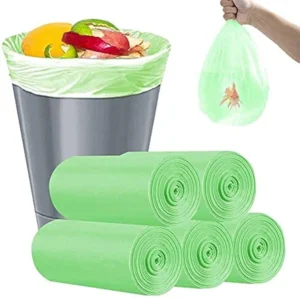
The role of compostable bags in reducing microplastics pollution is crucial; unlike plastic, they break down fully, safeguarding ecosystems from the Ganges to coastal mangroves. For instance, bio compostable garbage bags used in households decompose safely, reducing landfill methane emissions and supporting soil health when composted.
In a circular economy context, these bags fit seamlessly into zero-waste initiatives by closing the loop as waste becomes fertilizer for agriculture. SAKRT’s lineup exemplifies this as pet poop bags prevent park litter from polluting urban waterways, while nursery bags protect seedlings without adding to farm waste. Medical waste bags ensure safe disposal in hospitals, decomposing post-sterilization to avoid incineration hazards. This holistic approach not only cuts plastic pollution but also conserves resources, as producing one kilogram of compostable material uses up to 70% less energy than petroleum-based plastics.
Attitudes Drive Adoption
Consumer attitudes are accelerating this rise, with three-quarters of Indians acknowledging environmental protection’s importance, though only 15% consistently recycle or opt for sustainable claims.
In 2025, urban millennials in cities like Pune and Hyderabad are leading the charge, favoring compostable bags for their alignment with health and eco-values. Surveys show rising demand for transparent, certified products, influenced by campaigns highlighting plastic’s toll on marine life.
How are consumer attitudes influencing the rise of compostable bags? Social media and awareness drives have shifted behaviors, with 75% of young consumers willing to pay 10–20% more for green packaging.
This enthusiasm is evident in supermarkets, where shoppers in Chennai prefer SAKRT’s grocery bags over plastic, viewing them as a small step toward zero-waste living. Education gaps persist, but initiatives like retailer demos are bridging them, fostering trust and habitual use.
Challenges and Pathways Forward
What challenges do manufacturers face in producing compostable bags at scale? High raw material costs and complex processes make them pricier than plastic, with energy-intensive extrusion requiring up to 0.0111 kWh per bag versus 0.0062 kWh for conventional ones.
Limited industrial composting facilities in India hinder decomposition, as bags need specific conditions to avoid landfills. Quality control is another hurdle, with inferior batches risking contamination.
Yet, solutions abound: falling PBAT prices and R&D in cost-effective polymers are easing barriers.
SAKRT invests in certified supply chains to ensure consistency, while government incentives for composting infrastructure promise scalability. By the end of 2025, these efforts could double production capacity, making compostable bags ubiquitous.
Embracing the Shift with SAKRT
For retailers and households ready to transition, SAKRT simplifies adoption with bulk options, customizable for specific needs. A garment exporter in Tirupur can order 1,000 branded bags, while a Mumbai household might stock 100 pet poop bags.
Contact SAKRT’s team for tailored consultations, including compliance guidance and composting tips, to integrate these bags effortlessly.
Contact Us
Join the sustainability revolution today!
Choose SAKRT’s biodegradable products for your home, business, or event and make waste disposal environmentally responsible.
Conclusion
Compostable bags are not merely a trend but the blueprint for sustainable packaging in India, driven by market momentum, regulatory rigor, and consumer conviction. SAKRT’s innovative range, from mailer bags to medical waste solutions, delivers the performance needed for daily life while slashing plastic’s shadow.
As we navigate 2025’s growth trajectory, choosing compostable bags means investing in cleaner rivers, healthier soils, and a circular future. Join the movement today and redefine packaging, one bag at a time.
FAQs
SAKRT’s compostable bags, made from plant-based materials, decompose in industrial facilities, reducing the 9.46 million tonnes of annual plastic waste in India from persisting in landfills and waterways.
Unlike plastic bags that fragment into microplastics (up to 1.9 mg per kg of soil), SAKRT’s bags break down fully into organic matter, eliminating residues that contaminate ecosystems like the Ganges basin.
They close the loop by turning waste into compost for agriculture, supporting India’s zero-waste goals; for example, bio compostable garbage bags from SAKRT enrich soil, reducing reliance on synthetic fertilizers.
They close the loop by turning waste into compost for agriculture, supporting India’s zero-waste goals; for example, bio compostable garbage bags from SAKRT enrich soil, reducing reliance on synthetic fertilizers.
Issues include higher costs (up to 20% more than plastic) and limited composting facilities, but declining PBAT prices and CPCB certifications, as with SAKRT’s products, are enabling broader production.