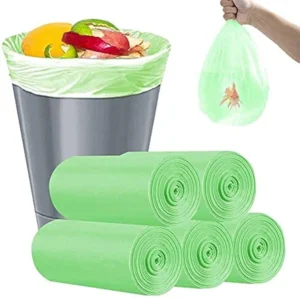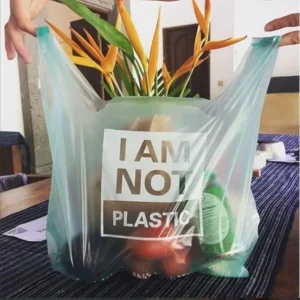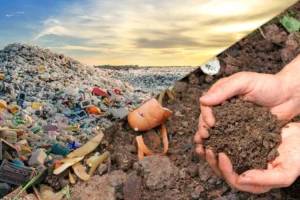


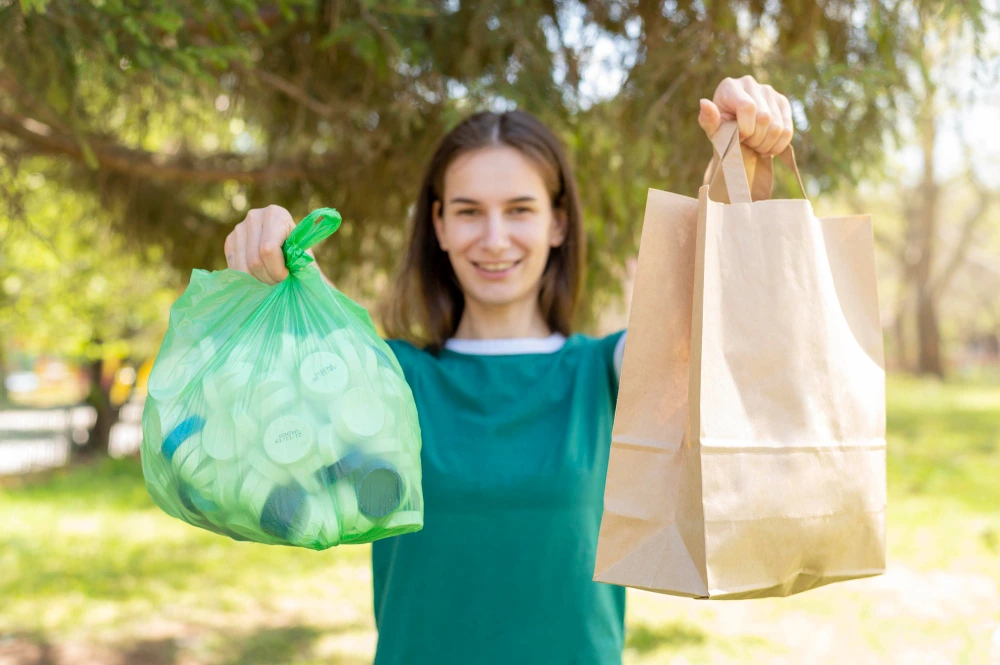
In today’s world, where being environmentally aware isn’t just a choice but a must, the move towards living sustainably has changed the way we make everyday decisions, including how we deal with waste. Compostable garbage bags, once a rare option, are now seen as a positive change in reducing the amount of waste that ends up in landfills. These bags are a smarter alternative to regular plastic bags because they break down naturally and help improve soil instead of harming the environment. But their benefits depend on how they are properly disposed of. If not handled correctly, they can lose their eco-friendly value and even cause new problems. This blog post will share the best ways to dispose of compostable garbage bags so you can make sure your sustainable efforts are making a real difference. By the end, you’ll have clear, useful tips to help you manage your waste in a way that’s both practical and kind to the planet.
Understanding the Essence of Compostable Garbage Bags
Before getting into how to dispose of these bags, it’s important to understand why compostable garbage bags are so special in managing waste. These bags are made from natural materials like cornstarch or sugarcane, and they’re designed to break down under certain conditions. Unlike regular plastic bags that can take hundreds of years to disappear, compostable bags are built to decompose in just a few months when they’re in the right environment like wet, warm places with lots of microbes.
The reason people like them is because they fit easily into everyday routines. Picture putting a compostable bag in your kitchen bin to hold food scraps, knowing that it will help make healthy compost for your garden. But there’s sometimes confusion between compostable bags and biodegradable ones. Even though they both seem good, compostable bags have to go through strict tests, like those from ASTM International, to make sure they break down into harmless stuff without leaving bad leftovers.
What Sets Compostable Plastic Apart from Traditional Options
Compostable plastic, which is used in these bags, comes from renewable resources, unlike plastic made from petroleum. This type of plastic is approved to break down in industrial composting plants where the temperature is much higher than 140°F (60°C). At home, the breakdown process takes longer, but it’s possible if you set up the right conditions. One interesting thing about compostable plastic is that it behaves like regular plastic when you’re using it, like holding up against leaks and smells.
Research from environmental groups shows that if compostable plastics are used widely, they could help cut down on plastic waste by as much as 30% in cities. So, knowing the difference helps people make better choices and throw things away properly.
How to Dispose Compostable Bags: Step-by-Step Guidance
Disposal might look simple, but when it comes to compostable garbage bags, accuracy is important. These bags work best in composting areas, not in landfills, where the lack of air slows down the breakdown process and can lead to methane, a strong greenhouse gas. By following the right steps, you’re not just getting rid of trash you’re helping the planet.
Start by making sure the bag only holds compostable things like food waste, garden clippings, and paper. Things like meat, dairy, or plastic can mess up the composting process. Once the bag is full, tie it loosely to let air in, then take it to your composting spot as soon as you can. Waiting too long can bring in pests or cause the bag to break down too fast.
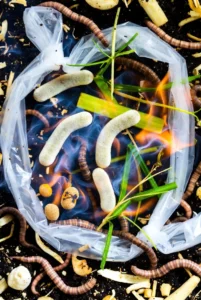
In bigger places, like factories, these bags go into large composting machines where they’re watched closely to make sure everything works right. At home, a garden compost bin or a worm bin is a great choice. Mixing the compost regularly helps it break down faster. Over time, the bags disappear, leaving behind rich soil that helps plants grow better.
This careful way of using compostable bags makes sure they do what they’re supposed to. It can also have a bigger effect. People around you might notice your healthy garden and ask what you’re doing, which could lead to more people in the community starting to compost too.
Selecting the Right Composting Method for Your Lifestyle
When deciding how to get rid of compostable bags, your lifestyle makes a big difference. People living in cities might use community composting programs, where they can drop off their bags at special places. These places take care of the process and make sure the right high temperatures are used to break things down quickly.
For those in the suburbs who have space, a three-bin system works well. It moves compost through different stages: active composting, letting it mature, and finally turning it into finished product. Compostable trash bags fit right into this system, making it easier to manage without having to sort things by hand. Even people in apartments can try countertop worm composting, where worms eat the organic waste right inside the bags.
Each method has its own way of working, some are better for big-scale use, others give more control.
But all of them need careful attention to avoid overloading. When you match how you dispose of compostable bags with your daily habits, caring for the environment becomes easy and natural.
The Environmental Edge of Eco-Friendly Garbage Bags
Eco-friendly garbage bags, especially those made from compostable plastic, show an encouraging path forward in a world where plastic is everywhere. Every year, more than 300 million tons of plastic are made, and a lot of it ends up in the oceans and even in our food. Compostable bags help break this cycle by turning waste into something useful again.
Looking at the whole process, from where the materials come from to how the bags break down, these bags help reduce carbon emissions. A study by the Ellen MacArthur Foundation found that using compostable plastic bags instead of regular plastic ones could lower CO2 emissions by 25%. This isn’t just an idea cities like San Francisco have already seen results, with less trash in landfills and more green spaces in urban areas.
There’s also a nice visual impact. Imagine colorful community gardens that get nutrients from household compost, which comes from food scraps wrapped in eco-friendly bags. This kind of change makes environmental efforts feel more real and rewarding, turning big ideas into something people can enjoy.
Conclusion:
In summary, the best way to properly dispose of compostable garbage bags involves knowing the right steps, being careful, and making sure everything works together. From choosing bags that are officially approved to fixing any problems that come up, each part helps fight against plastic waste. These bags are more than just containers; they’re a way to help create a better, healthier future where waste becomes a resource instead of a problem.
The environment is grateful for every bag you help break down. Start by changing just one bag next time, think carefully about how you compost, and watch how sustainability grows over time. Your actions today are helping plant the seeds for a better world tomorrow.
FAQs
If industrial composting isn’t accessible, home setups like tumblers work well. Layer contents with carbon-rich materials and turn weekly for aeration. This ensures breakdown in 3-6 months.
Primarily for organics, compostable plastic bags excel with veggie peels and leaves. Avoid non-biodegradables to prevent contamination, maintaining their soil-enriching potential.
Eco-friendly garbage bags reduce methane emissions from landfills by 50%, per EPA data. Their plant-based origins support renewable farming, offering dual benefits for planet and pocket.
Yes, but select cold-resistant variants to avoid brittleness. Once thawed, dispose directly into compost freezing preserves contents without affecting decomposition.
In optimal conditions, full decomposition occurs in 90 days. Factors like moisture influence speed, but certified bags guarantee eco-safe results every time.