


In an era where environmental responsibility shapes consumer choices and regulatory landscapes, businesses that actively tackle plastic waste gain a powerful competitive edge. Global plastic production has skyrocketed, yet only about 9% of all plastic ever made has been recycled, leaving massive amounts to clog landfills, oceans, and ecosystems. For companies across retail, hospitality, manufacturing, and services, reducing plastic waste is no longer optional it delivers tangible financial returns, strengthens brand loyalty, and future-proofs operations against tightening rules. By embracing reduction strategies, organizations cut disposal expenses, spark innovation, and align with the growing demand for sustainability. This comprehensive guide reveals how proactive steps to minimize plastic waste translate into measurable business advantages, from immediate cost relief to long-term reputational gains.
Unlocking Immediate Operational Savings And Say No to Single Use Plastic:
Businesses that boldly say no to single use plastic often discover surprising efficiencies right away. Single-use items such as bags, straws, cutlery, and packaging represent a recurring expense that quietly inflates budgets. When companies replace these with durable alternatives, procurement costs drop significantly while waste volumes shrink. For instance, many cafes and offices have switched staff canteens to reusable cups and plates, slashing both purchasing and plastic waste disposal fees.
Moreover, the shift encourages smarter inventory management. Employees and managers become more mindful of resource use, leading to leaner operations overall. Transition words like “furthermore” highlight another layer: reduced plastic waste means fewer trips to waste haulers and lower landfill tipping charges. Real-world examples abound Unilever, through its zero-waste-to-landfill initiatives, has saved over $225 million by systematically eliminating unnecessary single-use items. Similarly, smaller enterprises report annual savings of thousands simply by auditing and phasing out disposables. Consequently, saying no to single use plastic does more than protect the environment; it directly improves cash flow and operational agility.
Alternatives to Single Use Plastic:
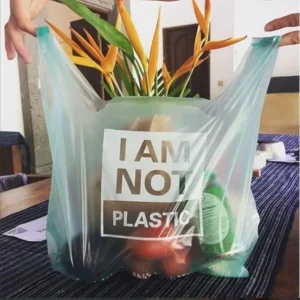
Exploring alternatives to single use plastic opens doors to creative solutions that differentiate brands in crowded markets. Paper-based collars for beverage cans, bag-in-box systems for liquids, compostable films made from plant starches, and even mushroom-root packaging provide viable substitutes that maintain product integrity while cutting environmental impact. These innovations not only reduce plastic waste but also allow businesses to tell compelling sustainability stories that resonate with customers.
For example, several major breweries have replaced plastic six-pack rings with recyclable paperboard alternatives, achieving up to 60% less plastic usage without compromising convenience. In addition, refillable and returnable systems such as reusable shipping totes or in-store bulk dispensers create closed-loop models that lower long-term material costs. Customers notice and reward these efforts; surveys consistently show that three-quarters of consumers prefer brands committed to cutting single use plastic. Therefore, adopting alternatives to single use plastic boosts sales, fosters loyalty, and positions companies as forward-thinking leaders rather than followers.
Under this umbrella, businesses also experiment with biodegradable foams and bamboo composites for protective packaging. These materials perform comparably to traditional plastics yet decompose naturally, eliminating end-of-life disposal headaches. The result is a virtuous cycle: lower plastic waste generation, happier customers, and fresh marketing angles that drive engagement on social media and beyond.
Plastic Waste Disposal: Transforming Expense into Profit Center
Effective plastic waste disposal strategies become far simpler and cheaper once reduction takes center stage. Instead of paying premium rates for hauling large volumes of mixed waste, companies that minimize plastic waste at the source enjoy dramatically reduced disposal bills. Studies of municipal programs show that communities implementing strong reduction policies save hundreds of millions annually in recycling and landfill costs savings that scale beautifully for private enterprises.
Furthermore, optimized plastic waste disposal often involves partnering with specialized recyclers who pay for clean, sorted streams. By generating less contaminated material, businesses convert what was once a cost into potential revenue. For instance, food manufacturers that redesign packaging to use mono-materials (easier to recycle) report both lower plastic waste volumes and higher rebates from recycling partners. In addition, internal audits frequently reveal hidden efficiencies; switching to bulk purchasing and reusable transport crates can cut plastic waste disposal needs by 30-50% within the first year.
Consequently, proactive reduction turns waste management from a reactive expense into a strategic profit lever. Companies avoid volatile disposal fee hikes driven by landfill shortages and gain predictable budgeting. This financial stability supports reinvestment in growth areas, proving that tackling plastic waste pays dividends far beyond compliance.
Single Use Plastic Reduction: Navigating Regulations and Mitigating Risks
Single use plastic reduction also shields businesses from mounting legal and regulatory pressures. Governments worldwide are introducing bans, extended producer responsibility schemes, and recycled-content mandates. Firms that act early avoid costly retrofits and potential fines while building resilience against future tightening of rules.
For instance, brands facing lawsuits over ocean pollution have seen share prices dip when public backlash intensifies. By contrast, early adopters of single use plastic phase-outs enhance investor confidence and improve ESG ratings. In addition, reduced exposure to microplastics litigation linked to health concerns protects long-term value. Therefore, viewing single use plastic reduction as risk management rather than mere compliance delivers both defensive and offensive advantages.
Businesses that integrate these practices often discover unexpected innovation bonuses. Design teams rethink entire supply chains, leading to lighter, smarter products that lower shipping costs and carbon footprints simultaneously. The holistic impact extends to employee morale; workers feel proud to associate with environmentally responsible employers, reducing turnover and attracting top talent.
conclusion
The benefits of reducing plastic waste for business extend far beyond environmental stewardship. From substantial cost savings and innovative breakthroughs to fortified brand equity and regulatory resilience, every step toward minimization strengthens the bottom line and secures a brighter future. Companies that lead with purpose by saying no to single-use items, embracing smart alternatives to single use plastic, optimizing plastic waste bin systems, and streamlining plastic waste disposal position themselves not only as responsible corporate citizens but as market winners. The time to act is now; businesses that integrate these practices today will thrive tomorrow in an economy that increasingly rewards sustainability. Start small, measure progress, and watch plastic waste reduction become one of your most profitable strategic moves.
Frequently Asked Questions
Reducing plastic waste lowers operational costs through fewer purchases of disposables and reduced plastic waste disposal fees. It strengthens brand reputation as customers increasingly favor sustainable companies. Businesses gain a competitive edge by staying ahead of tightening environmental regulations. Overall, it turns sustainability into a profitable strategic advantage.
Saying no to single use plastic eliminates recurring expenses on items like bags, straws, and cutlery. It significantly cuts plastic waste disposal costs by shrinking the volume of waste generated. Companies often see payback within months through bulk reusable purchases. The savings compound as procurement and waste management become more efficient.
Saying no to single use plastic eliminates recurring expenses on items like bags, straws, and cutlery. It significantly cuts plastic waste disposal costs by shrinking the volume of waste generated. Companies often see payback within months through bulk reusable purchases. The savings compound as procurement and waste management become more efficient.
A well-labeled plastic waste bin system improves sorting accuracy and reduces contamination in recyclables. It makes tracking plastic waste volumes easier for reporting and goal-setting. Employees become more mindful of waste habits when bins are visible and convenient. Ultimately, it maximizes recycling rebates and minimizes overall disposal expenses.
Many businesses notice initial savings within 3–6 months from lower disposable purchases. Disposal fees drop noticeably as plastic waste volumes decrease in the first year. Larger savings emerge after optimizing supply chains and reusables. Consistent implementation often yields 20–50% reductions in waste-related costs annually.