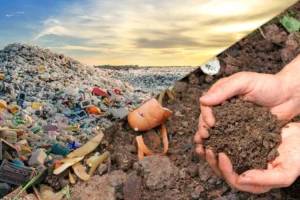


Plastic pollution is one of the most noticeable environmental problems we face today. Landfills overflow with waste, oceans become filled with debris that threatens marine life, and microplastics enter our food chains. However, there is hope on the horizon: biodegradable plastic. Unlike traditional plastics, which can last for centuries, biodegradable plastic breaks down naturally through the action of microbes, often within months if conditions are right. This development not only helps reduce waste but also provides several environmental and practical benefits. In this article, we look at the main advantages of biodegradable plastic, from lower emissions to renewable sourcing, and discuss why both businesses and consumers should support it.
Biodegradable Plastic Reduces Greenhouse Gas Emissions Significantly
One of the main benefits of biodegradable plastic is its lower carbon footprint throughout its life cycle. Traditional petroleum-based plastics rely on fossil fuels for production, which releases a lot of greenhouse gases. In comparison, many biodegradable plastics come from renewable plant sources like corn starch, sugarcane, or cellulose. These crops absorb carbon dioxide while they grow, acting as a carbon sink.
Studies indicate that making biodegradable plastic can use up to 50-70% less energy in some cases than conventional plastics. As a result, fewer emissions are produced during manufacturing. Additionally, when biodegradable plastic breaks down, it releases far fewer harmful substances than traditional plastics, which can leach toxins for many years. This change is seen as a practical step toward meeting global climate goals, with life-cycle analyses confirming significant CO2 savings, sometimes reaching near carbon neutrality.
Biodegradable Plastic Bags Minimize Long-Term Pollution in Landfills and Oceans
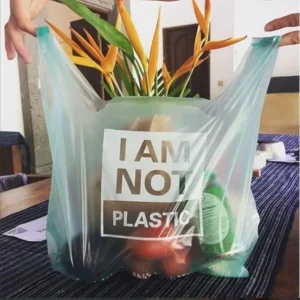
Biodegradable plastic bags are one of the easiest ways for people to practice sustainability. Regular plastic bags can take 400 to 1,000 years or longer to break down, adding to overflowing landfills and marine debris. In contrast, biodegradable plastic bags can decompose in industrial composting facilities in three to six months, turning into water, carbon dioxide, and biomass.
This quick breakdown also lowers the chances of entanglement or ingestion by wildlife. Sea turtles, seabirds, and marine mammals often mistake floating plastic for food. Switching to biodegradable plastic bags helps reduce these dangers. Moreover, fewer microplastics are created because the material blends back into natural cycles instead of breaking into smaller pieces indefinitely. As a result, communities and governments that promote biodegradable plastic bags see cleaner environments and healthier ecosystems over time.
Biodegradable Plastic Manufacturers Pioneer Renewable Resource Innovation
Biodegradable plastic manufacturers are leading the way in material science. They are creating new polymers that perform like traditional plastics while providing better environmental benefits. Companies are putting significant resources into research to develop resins like polylactic acid (PLA) and polyhydroxyalkanoates (PHA). These materials offer strength, flexibility, and heat resistance for a variety of uses.
These manufacturers also focus on using renewable resources, which reduces reliance on limited oil supplies. Research shows that switching to bio-based materials can significantly lower fossil fuel use. Additionally, many companies use closed-loop systems, where waste from one process is used in another. This approach not only reduces environmental harm but also supports economic growth in the green sector. The global market for biodegradable plastic is growing quickly, with annual increases in the double-digit range.
Biodegradable Plastic Suppliers Enable Scalable Adoption Across Industries
Businesses seeking greener supply chains are increasingly turning to biodegradable plastic suppliers for reliable, quality materials. These suppliers provide everything from raw pellets to finished films, supporting industries like packaging, agriculture, and consumer goods. By sourcing from certified biodegradable plastic suppliers, companies meet strict environmental standards and satisfy consumer demand for sustainable products.
Collaboration with these suppliers often includes technical support for processing and managing products at the end of their life. This allows organizations to integrate biodegradable plastic into existing production lines without major changes. Such accessibility speeds up the shift away from single-use plastics, promoting a circular economy where materials return safely to nature.
Versatile Biodegradable Plastic Products Transform Daily Applications
Biodegradable plastic products go beyond just bags; they offer practical solutions in many areas. Food packaging, disposable cutlery, agricultural mulch films, coffee capsules, and medical items all benefit from these materials. For example, biodegradable plastics used in farming break down in soil after one season. This eliminates the need for labor-intensive removal and prevents plastic residue buildup.
What makes biodegradable plastics especially attractive is their ability to remain effective while helping the environment. They resist moisture and have barrier properties similar to traditional options, but they can compost safely afterward. As a result, restaurants, retailers, and manufacturers are choosing biodegradable plastics to improve their brand image and meet the demands of eco-conscious customers. The flexibility of biodegradable plastic products shows that sustainability and convenience can work well together.
Biodegradable Plastic Bags Manufacturer Focuses on Quality and Compliance
Leading manufacturers of biodegradable plastic bags focus on thorough testing to ensure their products work well in real-world situations. These manufacturers create bags certified for both industrial and home composting, which means they break down completely without leaving toxic residues. By prioritizing durability during use and quick degradation after, a biodegradable plastic bag manufacturer helps retailers replace traditional options while keeping customer satisfaction intact.
Additionally, innovative teams of biodegradable plastic bag manufacturers work with brands to customize thickness, print quality, and strength. As regulations tighten globally, with many areas banning single-use plastics, the knowledge of a committed biodegradable plastic bag manufacturer is essential for meeting compliance and fostering new ideas.
Conclusion
In summary, the benefits of biodegradable plastic go beyond just reducing waste. They help lower emissions, save energy, protect wildlife, and promote renewable economies, making biodegradable plastic a significant step toward sustainability. Although higher upfront costs can be a challenge, the long-term advantages for the planet and future generations far outweigh these concerns. Consumers can begin by choosing biodegradable plastic bags and products in their daily lives, while businesses should collaborate with trustworthy manufacturers and suppliers. By making this change now, we can create a cleaner, healthier world where plastic no longer harms the environment but instead supports it. The time for biodegradable plastic is now, and we should fully embrace its potential.
FAQs
Biodegradable plastic decomposes naturally in months rather than centuries, reduces greenhouse gas emissions, uses renewable resources, and minimizes microplastic pollution, making it a far more environmentally responsible choice.
Biodegradable plastic bags help companies meet sustainability goals, attract eco-aware customers, reduce landfill contributions, and comply with plastic bans, all while providing the same convenience during use.
Biodegradable plastic manufacturers deliver innovative, high-performance materials backed by certifications, enabling seamless integration into production and supporting long-term environmental commitments.
Reputable biodegradable plastic suppliers offer a wide range of certified biodegradable plastic products for packaging, agriculture, and consumer use, often with technical guidance to ensure optimal results.
Yes, modern biodegradable plastic bags manufacturer facilities produce durable, customizable solutions at scale, complete with composting certifications that align with corporate sustainability targets and regulatory requirements.